Networking 03 — The OSI and TCP/IP Models, Multiplexing and Demultiplexing
The seven-layer and four-layer models side by side, what each layer adds, and how one link carries many conversations.
These notes began as two handwritten notebooks for COM 3401 — Data Communication and Networking at Rajarata University. I OCR'd them, rewrote them in English, and paired every section with a Sinhala explanation so the concept comes first and the English terms stay intact for the exam. Diagrams are redrawn as vector graphics.
The OSI Model
ඕඑස්අයි ආකෘතිය
OSI stands for the Open Systems Interconnection model. OSI consists of seven layers and each layer performs a particular network function.
සිංහලෙන්: OSI යනු විවෘත පද්ධති අන්තර් සම්බන්ධතා ආකෘතියයි. OSI ස්ථර හතකින් සමන්විත වන අතර සෑම ස්ථරයක්ම විශේෂිත ජාල කාර්යයක් ඉටු කරයි.
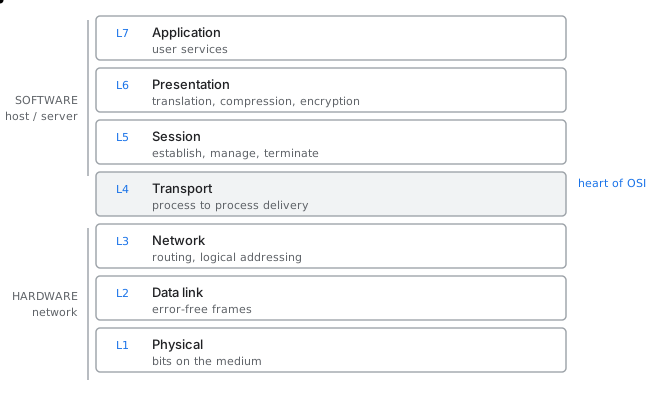
OSI 7-layer model
The top three layers, application, presentation and session, are software layers and they are the responsibility of the host or the server. The bottom three layers, network, data link and physical, are hardware layers and they are the responsibility of the network. The transport layer sits in the middle and is called the heart of OSI.
සිංහලෙන්: යෙදුම, ඉදිරිපත් කිරීම සහ සැසියේ ඉහළම ස්ථර තුන මෘදුකාංග ස්ථර වන අතර ඒවා සත්කාරකයේ හෝ සේවාදායකයේ වගකීම වේ. ජාලය, දත්ත සබැඳිය සහ භෞතික යන පහළ ස්ථර තුන දෘඪාංග ස්ථර වන අතර ඒවා ජාලයේ වගකීම වේ. ප්රවාහන ස්තරය මැද පිහිටා ඇති අතර එය OSI හි හදවත ලෙස හැඳින්වේ.
- Application layer: it is implemented in software. This layer provides the services to the user.
- Presentation layer: it is responsible for translation, compression and encryption.
- Session layer: it is used to establish, manage and terminate the sessions.
- Transport layer: it provides reliable message delivery from process to process.
- Network layer: it is responsible for moving the packets from the source to the destination. The router lives over here. It assigns the sender and receiver IP address to every segment and it forms an IP packet. This is known as logical addressing.
- Data link layer: it is used for error free transfer of data frames.
- Physical layer: it provides a physical medium through which bits are transmitted.
සිංහලෙන්: යෙදුම් ස්ථරය: එය මෘදුකාංගයේ ක්රියාත්මක වේ. මෙම ස්ථරය පරිශීලකයාට සේවා සපයයි.ඉදිරිපත් කිරීමේ ස්ථරය: එය පරිවර්තනය, සම්පීඩනය සහ සංකේතනය සඳහා වගකිව යුතුය.සැසි ස්තරය: එය සැසි පිහිටුවීමට, කළමනාකරණය කිරීමට සහ අවසන් කිරීමට භාවිතා කරයි.ප්රවාහන ස්තරය: එය ක්රියාවලියෙන් ක්රියාවලියට විශ්වාසදායක පණිවිඩ බෙදා හැරීමක් සපයයි.ජාල ස්තරය: ප්රභවයේ සිට ගමනාන්තයට පැකට් ගෙන යාම සඳහා එය වගකිව යුතුය. රවුටරය මෙහි වාසය කරයි. එය සෑම කොටසකටම යවන්නාගේ සහ ග්රාහකයාගේ IP ලිපිනය ලබා දෙන අතර එය IP පැකට්ටුවක් සාදයි. මෙය තාර්කික ලිපින ලෙස හැඳින්වේ.දත්ත සම්බන්ධක ස්තරය: එය දත්ත රාමු දෝෂ රහිත මාරු කිරීම සඳහා භාවිතා කරයි.භෞතික ස්ථරය: එය බිටු සම්ප්රේෂණය වන භෞතික මාධ්යයක් සපයයි.
The TCP/IP Model
ටීසීපී අයිපී ආකෘතිය
The TCP/IP model is basically known as the Internet Protocol suite. It consists of four layers.
සිංහලෙන්: TCP/IP ආකෘතිය මූලික වශයෙන් හඳුන්වනු ලබන්නේ අන්තර්ජාල කෙටුම්පත් කට්ටලය ලෙසිනි. එය ස්ථර හතරකින් සමන්විත වේ.
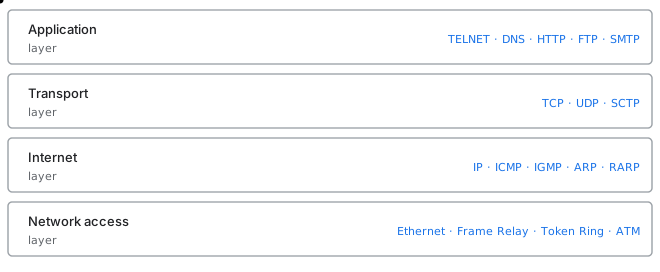
TCP/IP 4-layer model with protocols
- Application layer: this is the topmost layer and defines the interface of host programs with the transport layer services. This layer includes all high level protocols like Telnet, DNS, HTTP, FTP and SMTP.
- Transport layer: it is responsible for error free and end to end delivery of data. The protocols defined here are TCP and UDP.
- Internet layer: it defines the protocols for logical transmission of data over the network. The main protocol in this layer is the Internet Protocol, supported by protocols such as ICMP, IGMP, RARP and ARP.
- Network access layer: it is the lowest layer that is concerned with the physical transmission of data. TCP/IP does not specifically define any protocol here but supports all the standard protocols.
සිංහලෙන්: යෙදුම් ස්ථරය: මෙය ඉහළම ස්ථරය වන අතර ප්රවාහන ස්ථර සේවා සමඟ සත්කාරක වැඩසටහන් වල අතුරු මුහුණත නිර්වචනය කරයි. මෙම ස්ථරයට Telnet, DNS, HTTP, FTP සහ SMTP වැනි සියලුම ඉහළ මට්ටමේ ප්රොටෝකෝල ඇතුළත් වේ.ප්රවාහන ස්තරය: දෝෂ රහිත සහ අවසානය දක්වා දත්ත බෙදා හැරීම සඳහා එය වගකිව යුතුය. මෙහි අර්ථ දක්වා ඇති ප්රොටෝකෝල TCP සහ UDP වේ.අන්තර්ජාල ස්තරය: එය ජාලය හරහා දත්ත තාර්කික සම්ප්රේෂණය සඳහා ප්රොටෝකෝල නිර්වචනය කරයි. මෙම ස්ථරයේ ඇති ප්රධාන ප්රොටෝකෝලය වන්නේ ICMP, IGMP, RARP සහ ARP වැනි ප්රොටෝකෝල මගින් සහය දක්වන අන්තර්ජාල ප්රොටෝකෝලයයි.ජාල ප්රවේශ ස්තරය: එය දත්ත භෞතික සම්ප්රේෂණය සම්බන්ධයෙන් සැලකිලිමත් වන පහළම ස්ථරයයි. TCP/IP මෙහි කිසිදු ප්රොටෝකෝලයක් නිශ්චිතව නිර්වචනය නොකරන නමුත් සියලුම සම්මත ප්රොටෝකෝල සඳහා සහය දක්වයි.
Multiplexing and Demultiplexing
මල්ටිප්ලෙක්සින්
Gathering data from multiple application processes of the sender, enveloping that data with a header and sending them as a whole to the intended receiver is called multiplexing.
සිංහලෙන්: යවන්නාගේ බහුවිධ යෙදුම් ක්රියාවලීන්ගෙන් දත්ත රැස් කිරීම, එම දත්ත ශීර්ෂයකින් ආවරණය කර ඒවා සමස්තයක් ලෙස අපේක්ෂිත ග්රාහකයා වෙත යැවීම මල්ටිප්ලෙක්සිං ලෙස හැඳින්වේ.
Delivering received segments at the receiver side to the correct application layer processes is called demultiplexing.
සිංහලෙන්: ග්රාහක පැත්තේ ලැබුණු කොටස් නිවැරදි යෙදුම් ස්ථර ක්රියාවලීන් වෙත ලබා දීම demultiplexing ලෙස හැඳින්වේ.
A checksum is a technique used to determine the authenticity of received data, that is, to detect whether there was an error in transmission. UDP uses checksums.
සිංහලෙන්: චෙක්සම් යනු ලැබුණු දත්තවල සත්යතාව තීරණය කිරීමට, එනම් සම්ප්රේෂණයේ දෝෂයක් තිබේද යන්න හඳුනා ගැනීමට භාවිතා කරන තාක්ෂණයකි. UDP චෙක්සම් භාවිතා කරයි.
Keep going: ← Previous chapter · Next chapter → · Networking stage in the Self Guide
Finished this one?
Part of Self Guide · Stage 2: Networking fundamentals. Progress is saved in this browser.
Projects in this lesson
Education
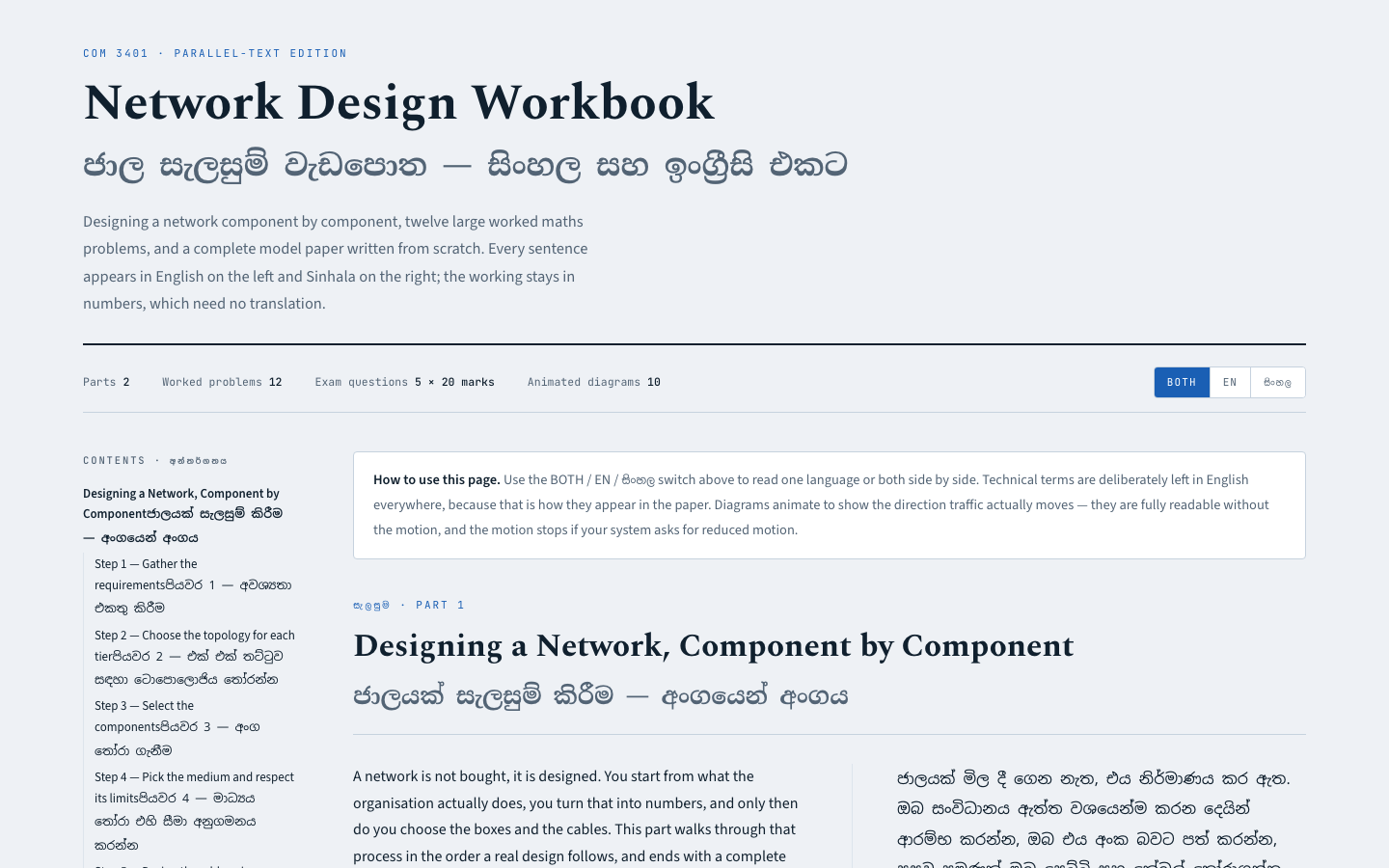
Data Communication & Computer Networking Hub
Interactive TCP/IP model simulator, network design workbook, and bilingual Sinhala networking knowledge portal.
Education
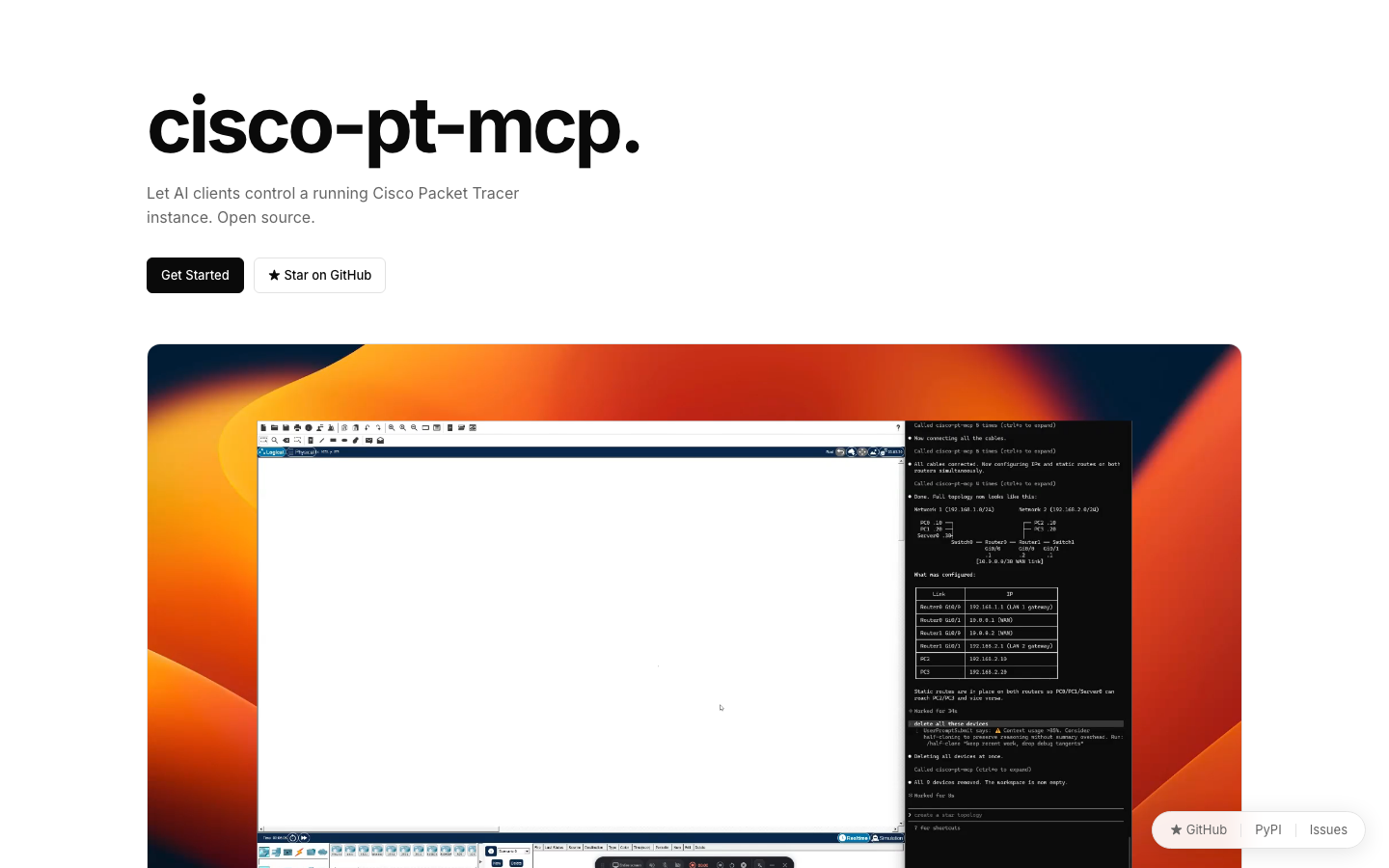
AI Network Labs
A free course, graded labs and a 40-device campus capstone built around cisco-pt-mcp — the open-source MCP server for Cisco Packet Tracer by Muhammad Balawal.