An AI Trip Planner That Still Works When the AI Doesn't
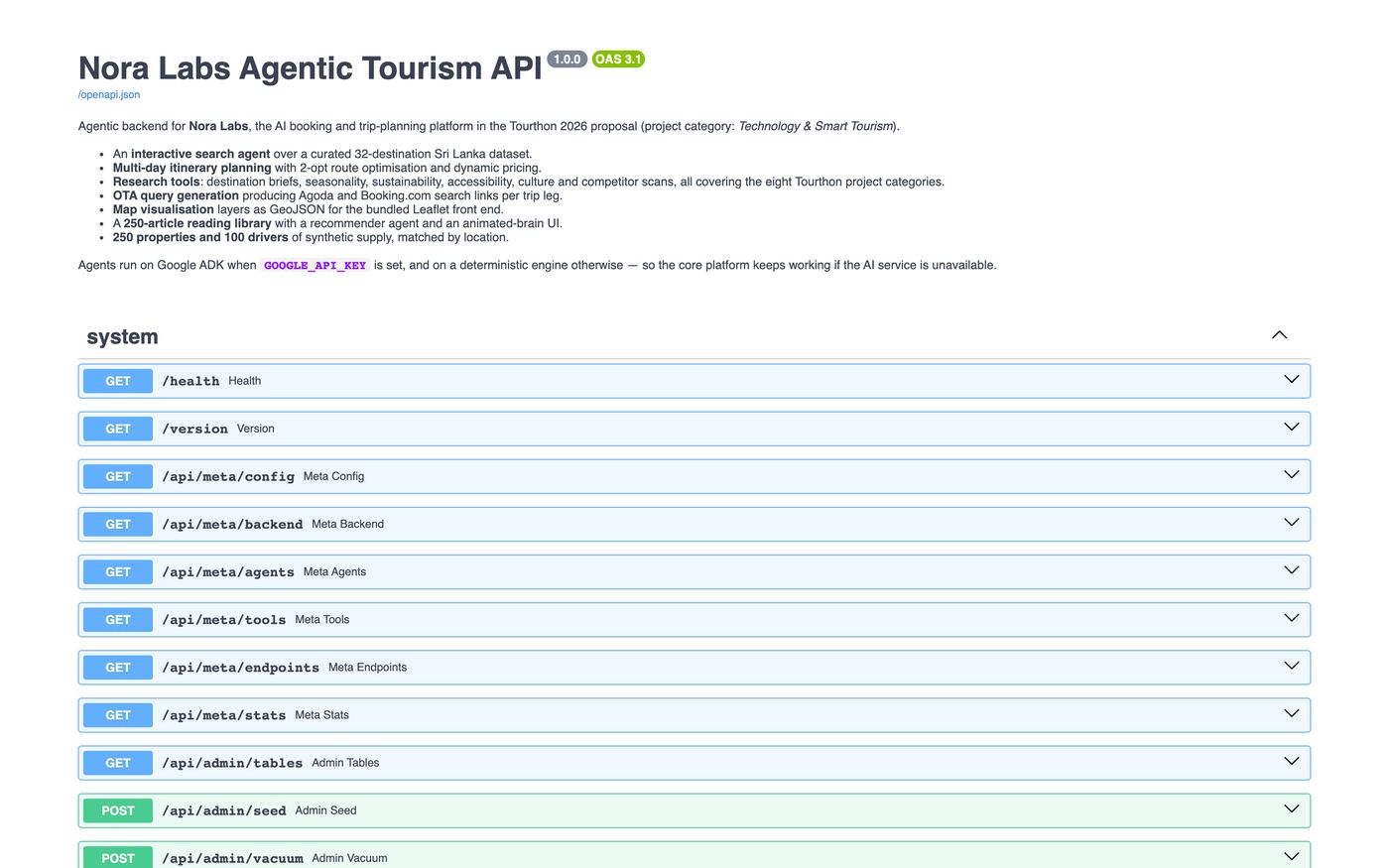
Specialist agents for search, itinerary, pricing and dispatch — each calling the same Python functions as a deterministic fallback.
Lesson 9 of 10 · Tourism Tech · built from Nora Travels, Nora Labs, Mahesh Travellers and my hospitality sites
Agents are great at turning "8 days, heritage and hiking, LKR 280,000" into a plan. They are bad at being the only thing between a traveller and an answer.
The pattern
traveller request
   → orchestrator agent
       → search · itinerary · pricing · ota · dispatch agents
            → the SAME Python tools (catalog.py, geo.py, itinerary.py, pricing.py, ota.py)
   if the model call fails → deterministic engine calls those tools directly
   response = { …result, engine: "vertex" | "gemini" | "deterministic" }
Three backends, chosen by environment
| Backend | Configured by | Used when |
|---|---|---|
| Vertex AI | GOOGLE_GENAI_USE_VERTEXAI=TRUE + project and location | On Google Cloud — no key in the image |
| Gemini API | GOOGLE_API_KEY | Local development |
| Deterministic | neither | Always available |
Why it matters for tourism
- A trip planner has demo days, quota limits and regions where a model isn't available. The traveller should never see an error.
- Because the agents and the fallback share tools, the plan has the same distances, prices and rules either way — only the wording changes.
- Every run is logged with engine and latency, so you can see how often the fallback answered.
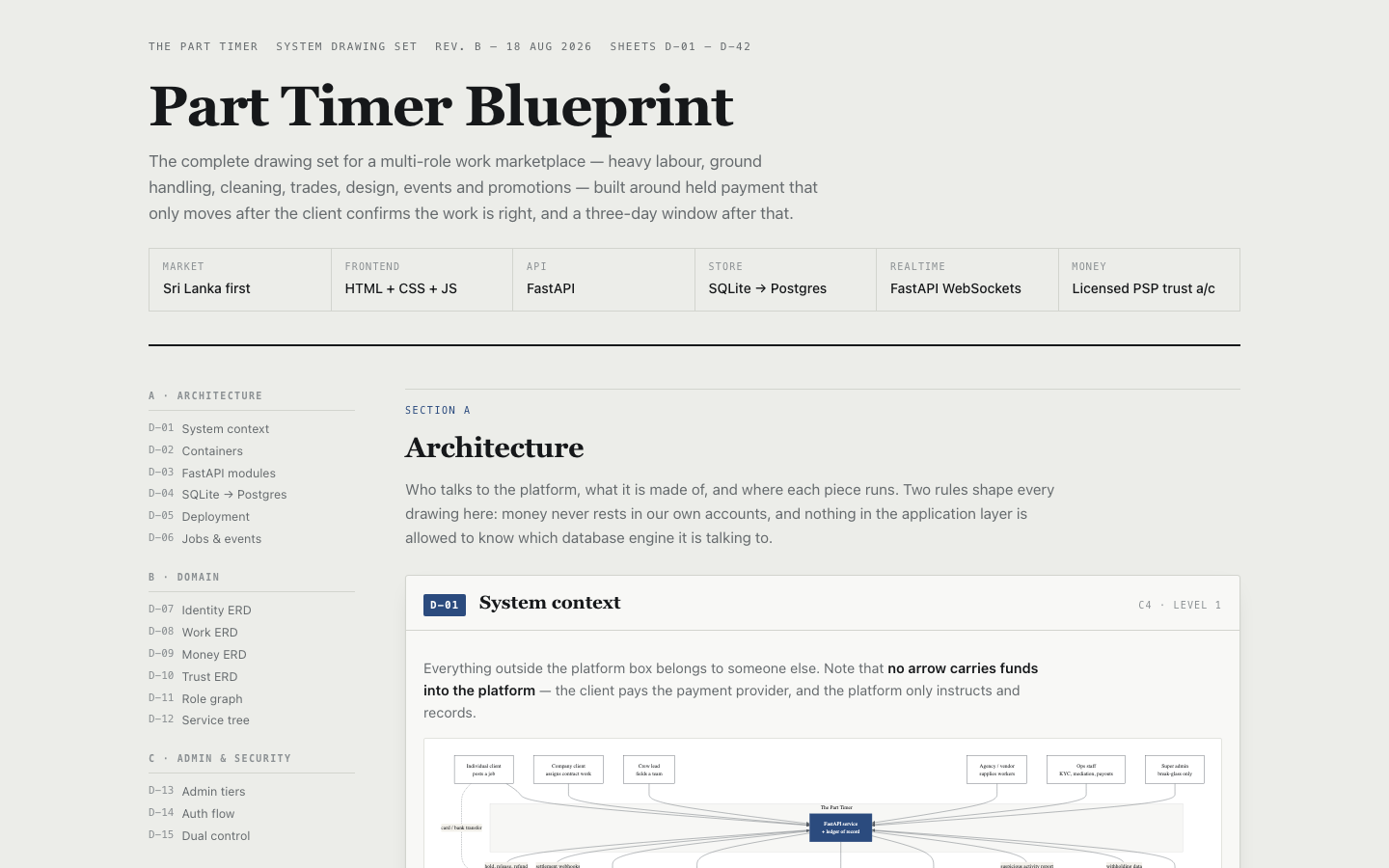
Try it yourself: read the full build in Nora Labs: 11 ADK agents and the two patterns behind it in Two Google ADK patterns.
Exercise
Design a dispatch fallback that picks the nearest available driver by road distance. Which function from Lesson 7 would it call?
Keep going: ← Lesson 8 · Lesson 10 →
ExerciseKnowledge check
What happens in Nora Labs when a Gemini call fails?
Finished this one?
Progress is saved in this browser.
Projects in this lesson
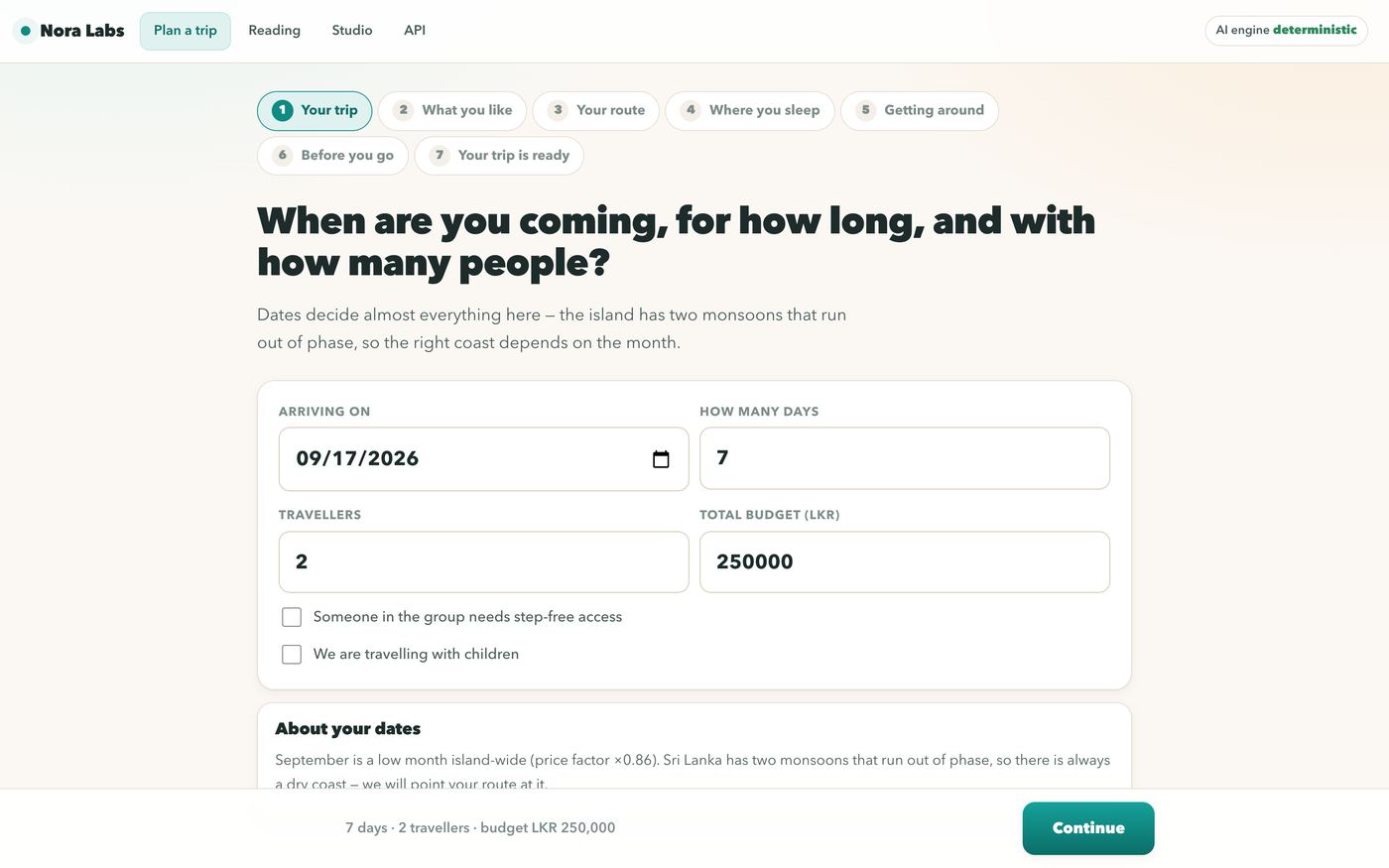
AI Agents
Nora Labs
Tourthon 2026 AI-driven multi-agent platform for bespoke Sri Lankan travel itineraries, live driver dispatch, and instant dynamic booking.
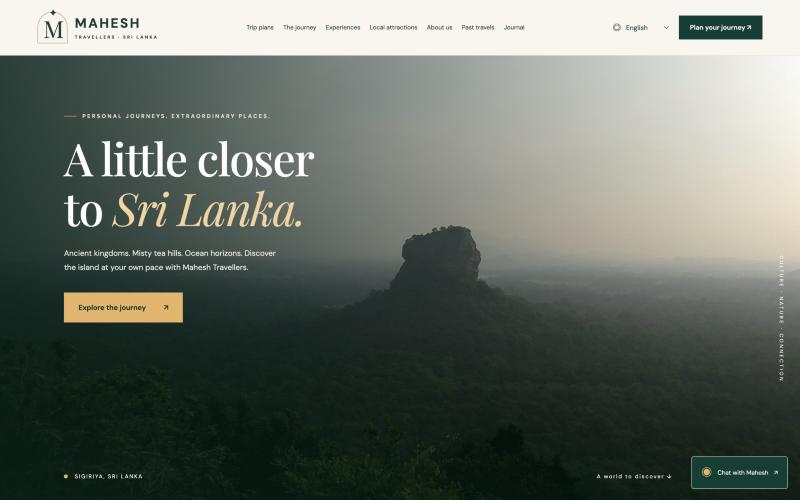
Client Web
Mahesh Travellers
Next.js dynamic tourism booking portal showcasing bespoke Sri Lankan tour packages, Ella hiking, cultural heritage, and private driver services.